














Not every offer automatically leads to a sale. The exact outcome depends, amongst other things, on the details of the offer and your response as the seller. That is why it is important not only to assess an offer on the basis of price, but also to carefully consider the terms and any conditions before making a decision.
158 results for ""
Offer
Frequently Asked Questions
Am I obliged to accept an offer on my property?+
What happens after I’ve accepted an offer?+
Once an agreement has been reached, the terms agreed are set out in legal terms, usually in a preliminary agreement or other sales contract. This private deed contains the legally required details regarding ownership. The file is then further prepared for the notarial deed and the final transfer of ownership.
Is an offer on a property binding?+
An offer is more than just a non-binding expression of interest and may have legal consequences. You should therefore never make an offer without careful consideration, and you must clearly set out the price, the period of validity and any conditions. Professional guidance is particularly advisable when making a major purchase.
Can I attach conditions to my offer?+
Yes. For example, an offer may be conditional upon securing financing. Such conditions must be worded carefully and unambiguously. This ensures that both the buyer and the seller know exactly under what circumstances the offer is valid.
What is the difference between an offer and a sales agreement?+
By making an offer, you, as a prospective buyer, set out the terms on which you wish to purchase the property. The sales agreement then sets out the arrangements between the buyer and the seller in detail. Both documents can have significant legal consequences and therefore deserve careful consideration.
When will I officially become the owner of the property?+
The authentic deed drawn up by the notary marks a key stage in the transfer of ownership. At that point, the agreed purchase price and costs are settled and the transfer is formally recorded. The deed becomes enforceable against third parties once it has been entered in the Patrimonium Documentation registers.
What does a condition precedent mean?+
A condition precedent links the performance of the contract to a future, uncertain event, such as the granting of a loan. The exact wording is important: it determines when and under what circumstances the contract will or will not proceed.
Do I have to pay VAT or stamp duty on a new-build property?+
In principle, VAT is payable on the purchase of a new property, in accordance with the applicable federal VAT regulations. Under certain conditions, the associated land is also subject to VAT; in other situations, registration fees may apply to the land. The specific tax treatment therefore depends on the structure of the purchase.
What is the Breyne Act?+
The Breyne Act (Housing Construction Act) offers additional protection to buyers of off-plan or under-construction properties, subject to certain conditions. It sets out rules governing, amongst other things, payments, handover and guarantees. Whether the Act applies to your purchase depends on the specific contract and the project.
What does buying off-plan mean?+
When buying off-plan, you are deciding on a property that has not yet been built, or has not been fully completed. This means that the plans, specifications, standard of finish and contractual terms take on added importance. Take the time to thoroughly understand these documents before you commit.
What does a set of specifications contain?+
The specifications set out how the project will be carried out and which materials, techniques and finishes are to be used. As such, they serve as an important reference document for determining exactly what is included in the purchase price.
When does the renovation obligation apply?+
The renovation obligation may apply when a property with poor energy performance is transferred, in accordance with the relevant Flemish energy regulations. Whether any obligations apply, and if so which ones, depends on the type of property and the specific terms of the transfer. Where the obligation applies, this must also be clearly stated in the property advertisement and sales documents.
Could property regulations change whilst my property is on the market?+
Yes. Regulations relating to energy, taxation, town planning and other property matters change regularly. That is why, when carrying out a specific sale or purchase, it is important not to rely solely on general information, but always to check which regulations apply at that particular time and to that specific property.
Is an inventory of fixtures compulsory when renting out a property?+
At the start of the tenancy, a detailed inventory is drawn up, dated and signed. It records the condition of the property and thus provides clarity for both the tenant and the landlord when the tenancy ends.
Am I allowed to index the rent annually?+
In many cases, the rent may be indexed once a year, at the earliest on the anniversary of the tenancy agreement coming into force. This does not happen automatically: the landlord must request the indexation. Specific adjustments apply to certain older tenancy agreements and EPC labels.
Who pays for repairs to a rented property?+
That depends on the nature and cause of the problem. Generally speaking, certain structural or major repairs are the landlord’s responsibility, whilst maintenance and damage caused by misuse may be the tenant’s responsibility. A clear inventory helps to avoid disputes later on.
News
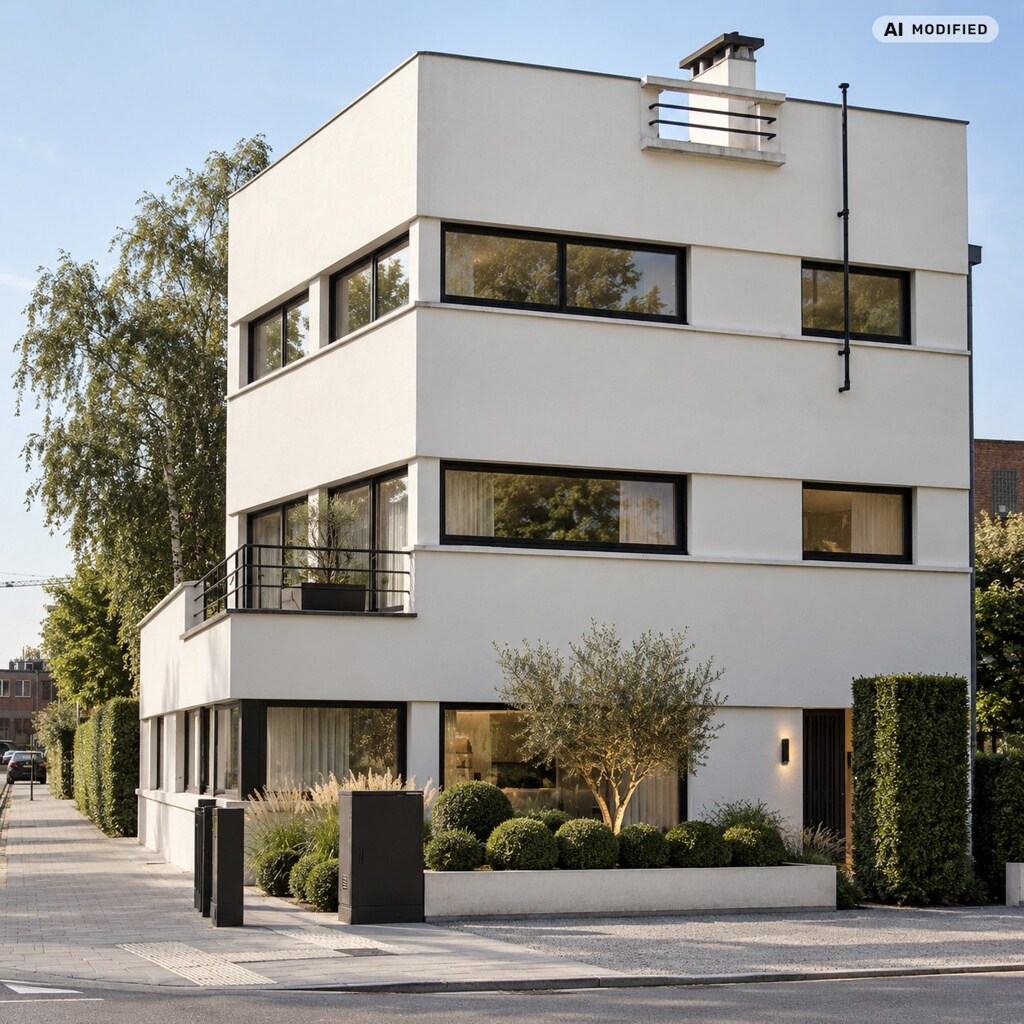
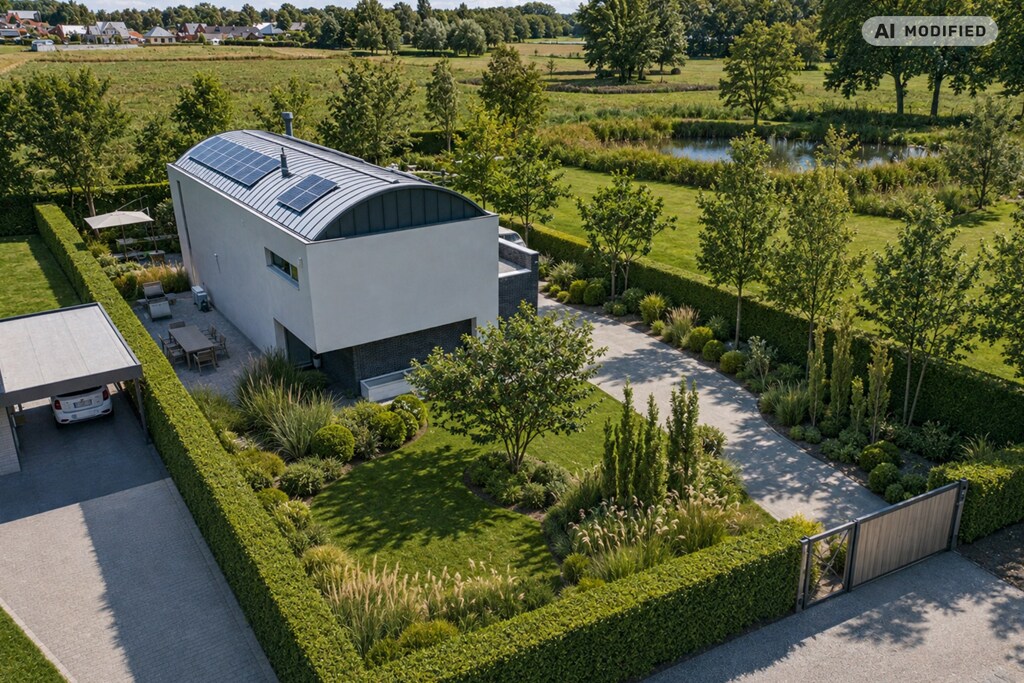
Million-Euro Homes with Tess Goossens: A modern villa in the exclusive 7 Fonteinen neighbourhood in Eigenbrakel +
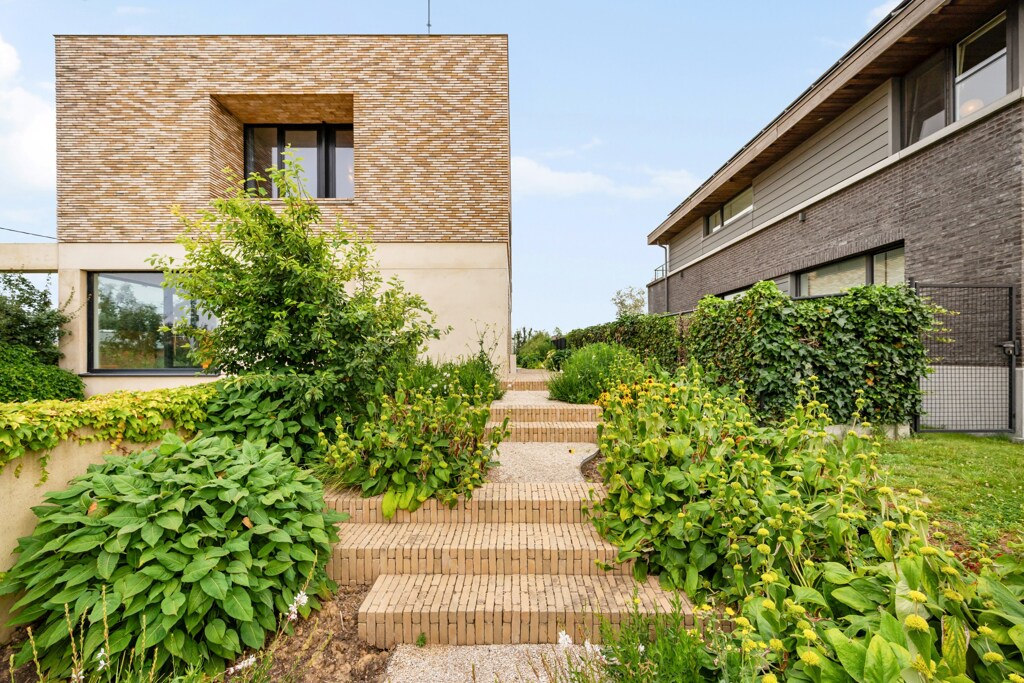
A modern villa in the exclusive 7 Fonteinen neighbourhood, where architecture, space and green surroundings complement one another.
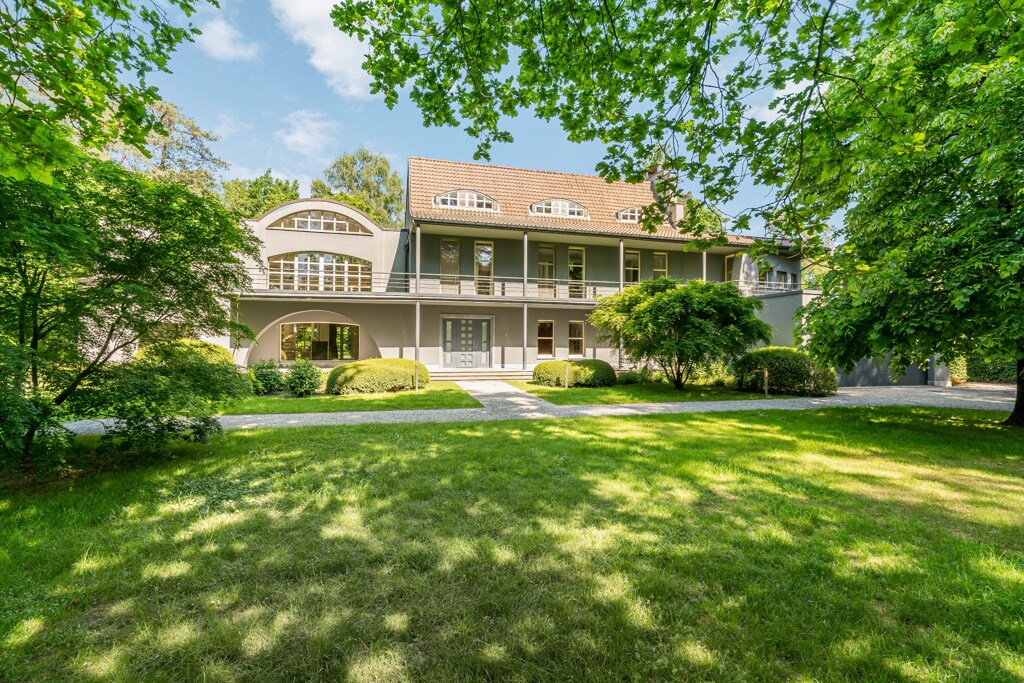
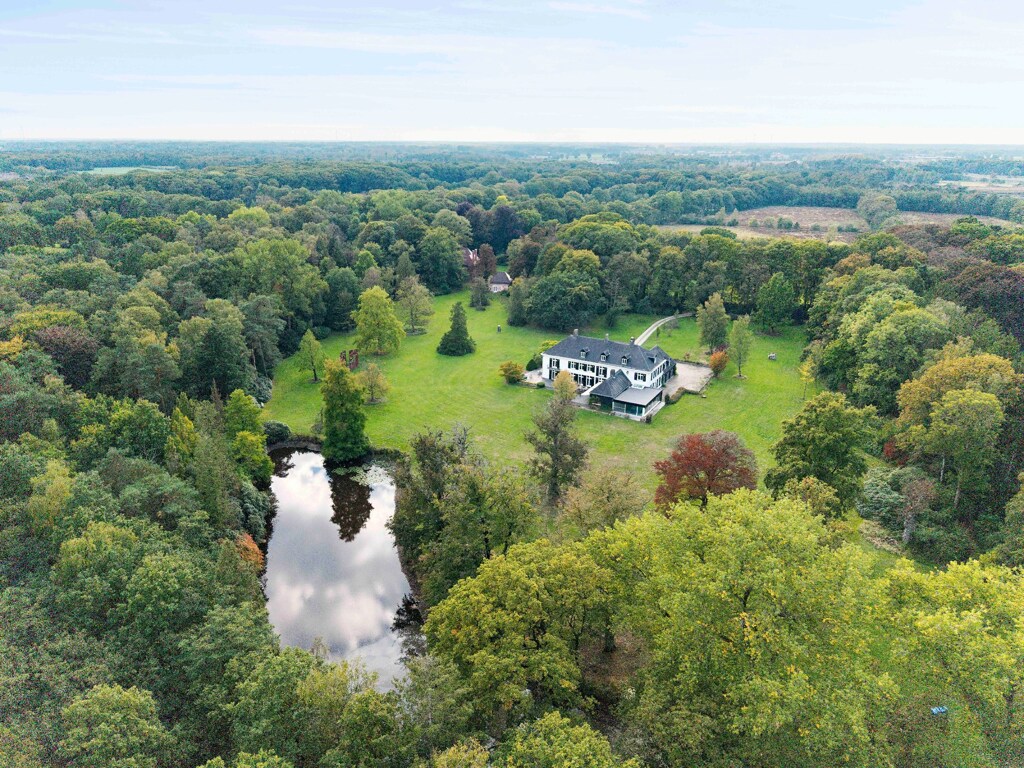
Million-Euro Homes with Tess Goossens: The exclusive ‘Hof ter Beeldeken’ estate in Schilde +
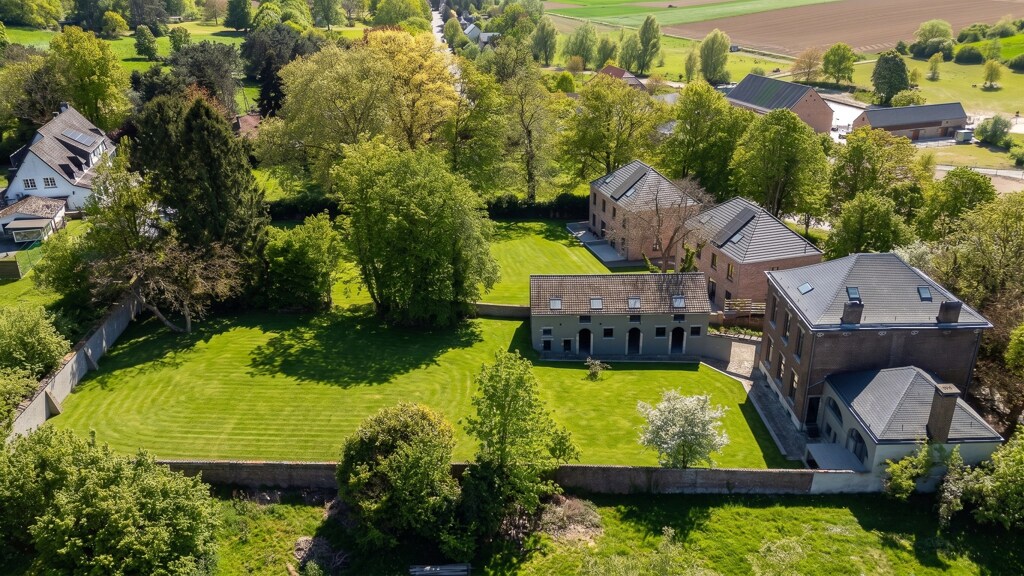
A historic estate in Schilde where centuries-old charm, modern living comfort and exceptional green surroundings come together.
Million-Euro Homes with Tess Goossens: An exclusive, top-of-the-range villa in the Vriesdonk residential area in Brasschaat +
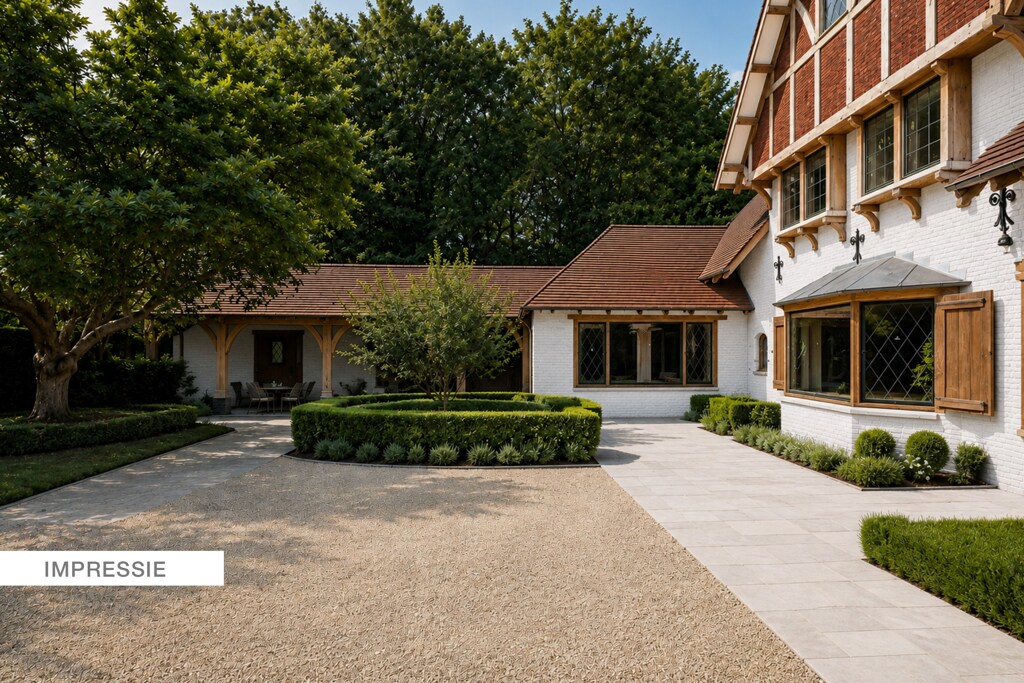
An exceptional villa set amongst the greenery of Vriesdonk, where timeless architecture, refined interiors and generous living comfort come together.
The timeless power of Belgian architecture +
Belgian architecture transcends trends with homes that combine vision, craftsmanship and timeless quality.
A record number of properties worth millions changed hands in 2025 +
Never before have so many properties worth millions changed hands as in 2025, with a new record of 2,079 transactions on the Belgian property market.
[DUTCH ONLY] Hillewaere | Christie's Magazine - Spring/Summer 2026 +
Stories about entrepreneurship, architecture, design and exceptional property come together in the latest issue of our Hillewaere | Christie’s magazine.
New-build as a strategic choice: investing in quality of life, security and long-term value +
New-build offers a carefully considered combination of quality of living, security and long-term value for those who are actively looking at property today.
9/10 on Trustpilot: this is what our customers think of Hillewaere +
Over a thousand customers have shared their experiences with Hillewaere and particularly appreciate our expertise, personalised support and clear follow-up.
Hillewaere Group continues to grow, with integration at the heart of its strategy +
Hillewaere Group continues to grow, and we remain firmly committed to integration as the foundation for a strong, efficient and sustainable organisation.
The real estate market in 2026: an overview of the key changes +
The real estate market will continue to evolve in 2026, with new regulations and changes affecting those who buy, sell, invest in or own property.
Market leader Christie’s International Real Estate Belgium is moving to the fashionable coastal town of Knokke +
Through Christie’s International Real Estate Belgium, we are strengthening our presence in the luxury sector with a local presence in Knokke, in partnership with Liv’Immo.
Hillewaere | Christie's Magazine - Fall/Winter 25/26 +
A new issue of our Hillewaere | Christie’s magazine, packed with inspiring stories about exceptional property, architecture, entrepreneurship and the art of living.
Christie's International Real Estate is continuing its expansion in Belgium with a new office in Waterloo +
With a new office in Waterloo, we are continuing our growth and strengthening Christie’s International Real Estate Belgium’s presence in Wallonia.
Sales of luxury apartments in Belgium fall: 13 per cent fewer sold +
Sales of million-euro apartments in Belgium are falling, following several years of remarkably strong growth.
Website
Pagina: "Residentieel vastgoed info" +
Pagina: "home" +
Pagina: "verkopen" +
Pagina: "realisaties" +
Pagina: "gratis schatting" +
Pagina: "Jobs" +
Pagina: "nieuwbouw" +
Pagina: "Hippisch vastgoed info" +
Pagina: "privacy" +
Pagina: "over ons" +
Pagina: "kantoren" +
Pagina: "disclaimer" +
Pagina: "hippisch aanbod" +
Pagina: "blijf op de hoogte" +
Pagina: "veiling" +
Pagina: "cookie policy" +
Pagina: "Commercieel vastgoed info" +
Pagina: "faq" +
Pagina: "nieuws" +
Pagina: "Hillewaere | A vendre" +
Pagina: "Nieuwbouw info" +
Pagina: "onze experts" +
Pagina: "bedankt pagina - matching formulier" +
Pagina: "bedanktpagina - standaard" +
Pagina: "te koop bedrijfsvastgoed" +
Pagina: "contact" +
Pagina: "stappenplan" +
Pagina: "te huur" +